


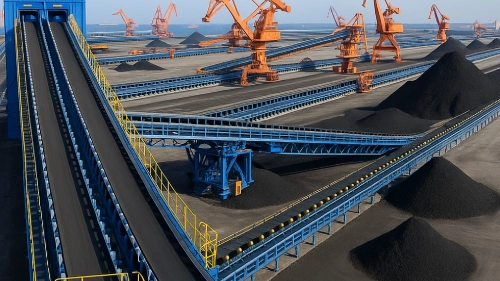
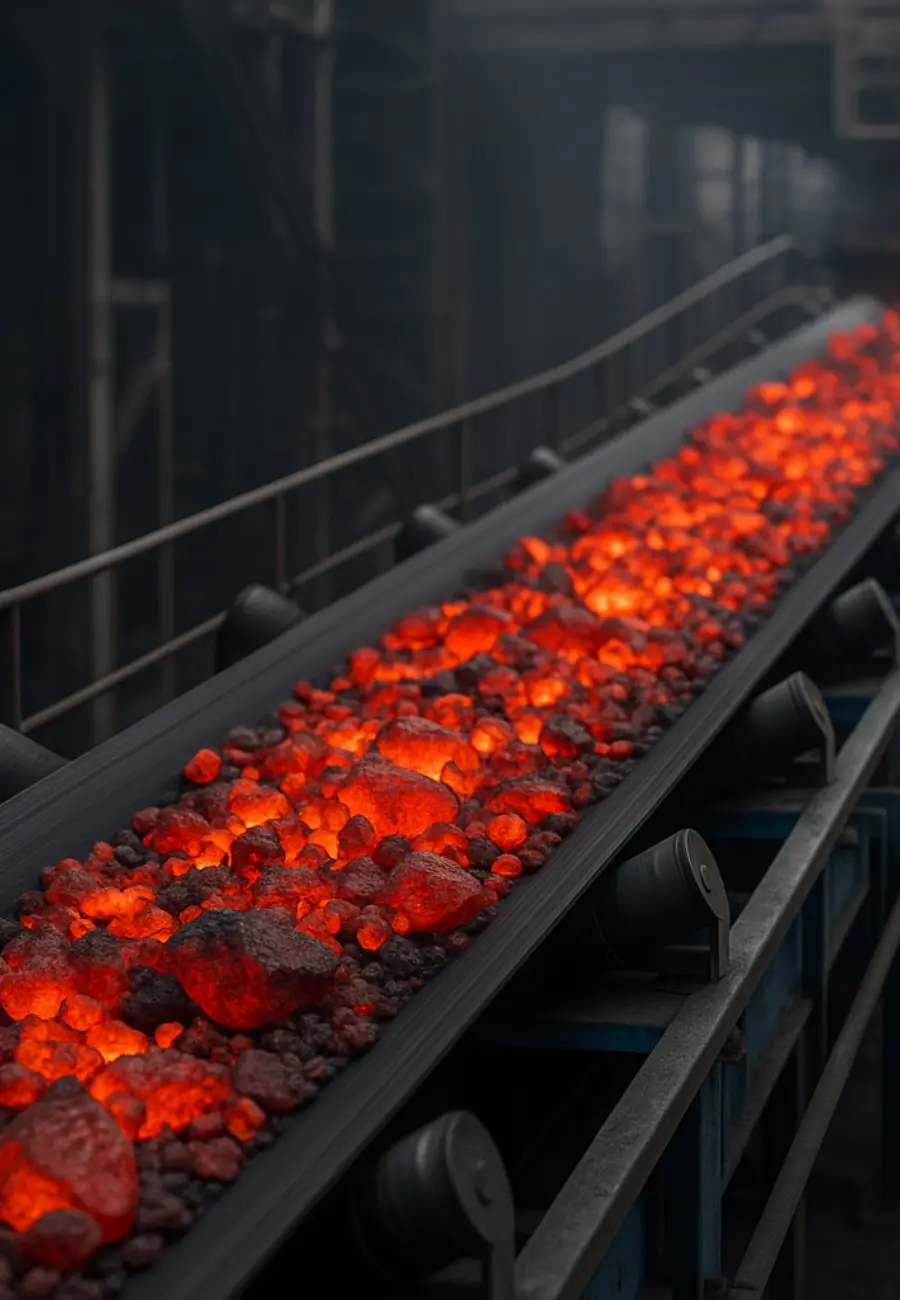
Conveyor Belts for Cement Plants and Clinker Handling
Technical Specification
Key Points
- Heat-resistant compounds up to 220°C
- For clinker, coke and sinter
- Raw material to dispatch belts
- MTC with every order
Heat Resistant Belt for Clinker
Clinker leaves the cooler hot, hard and abrasive. On an ordinary rubber belt, heat makes the cover harden, crack and lose its bond with the carcass, so the belt fails early. Heat-resistant conveyor belts use special rubber compounds designed for continuous operation with hot material, up to 220°C, and resist hardening and cracking. They are used in cement plants, steel mills, glass plants and for handling hot clinker, coke and sinter.
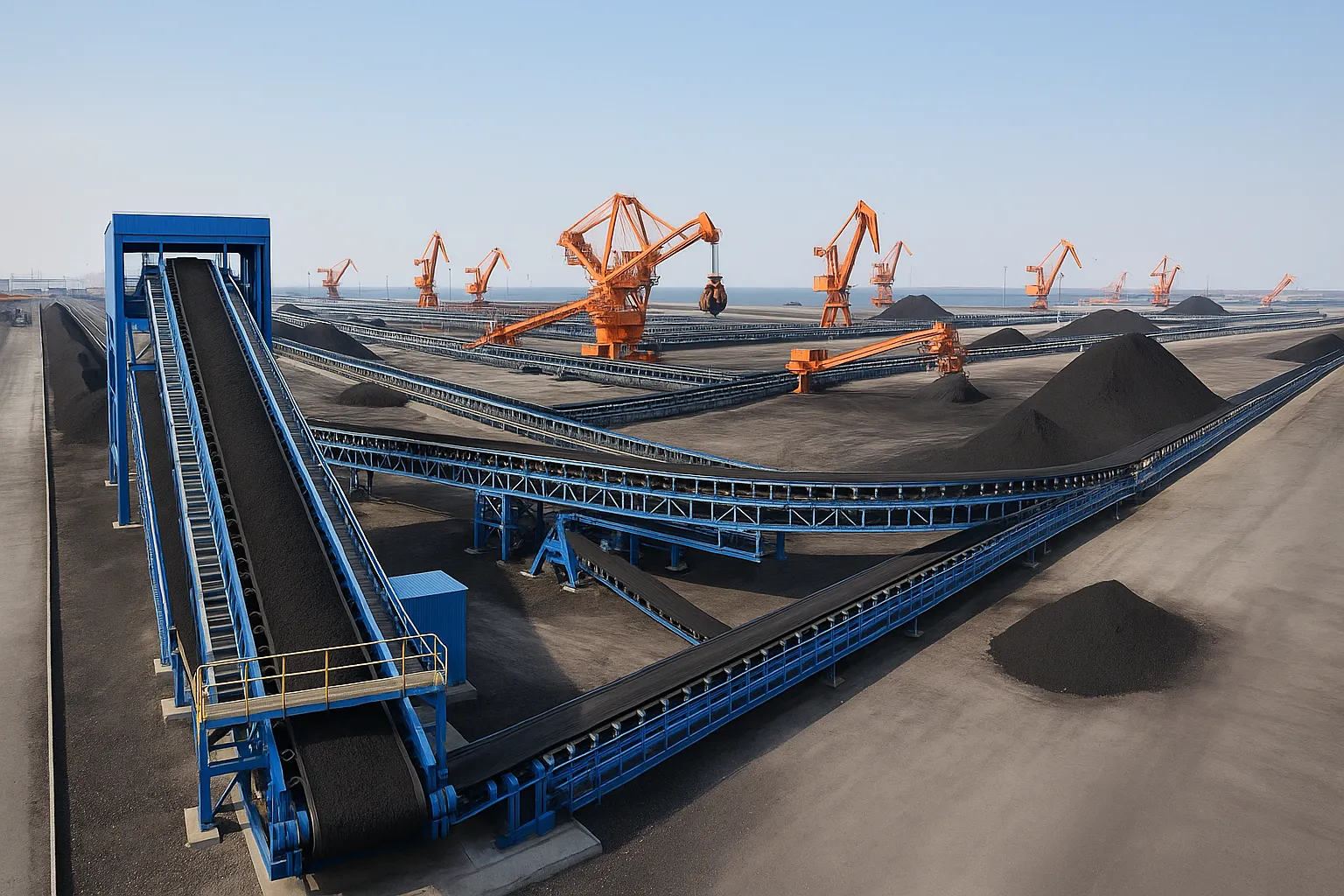
Cement Plant Conveyor Belt Systems
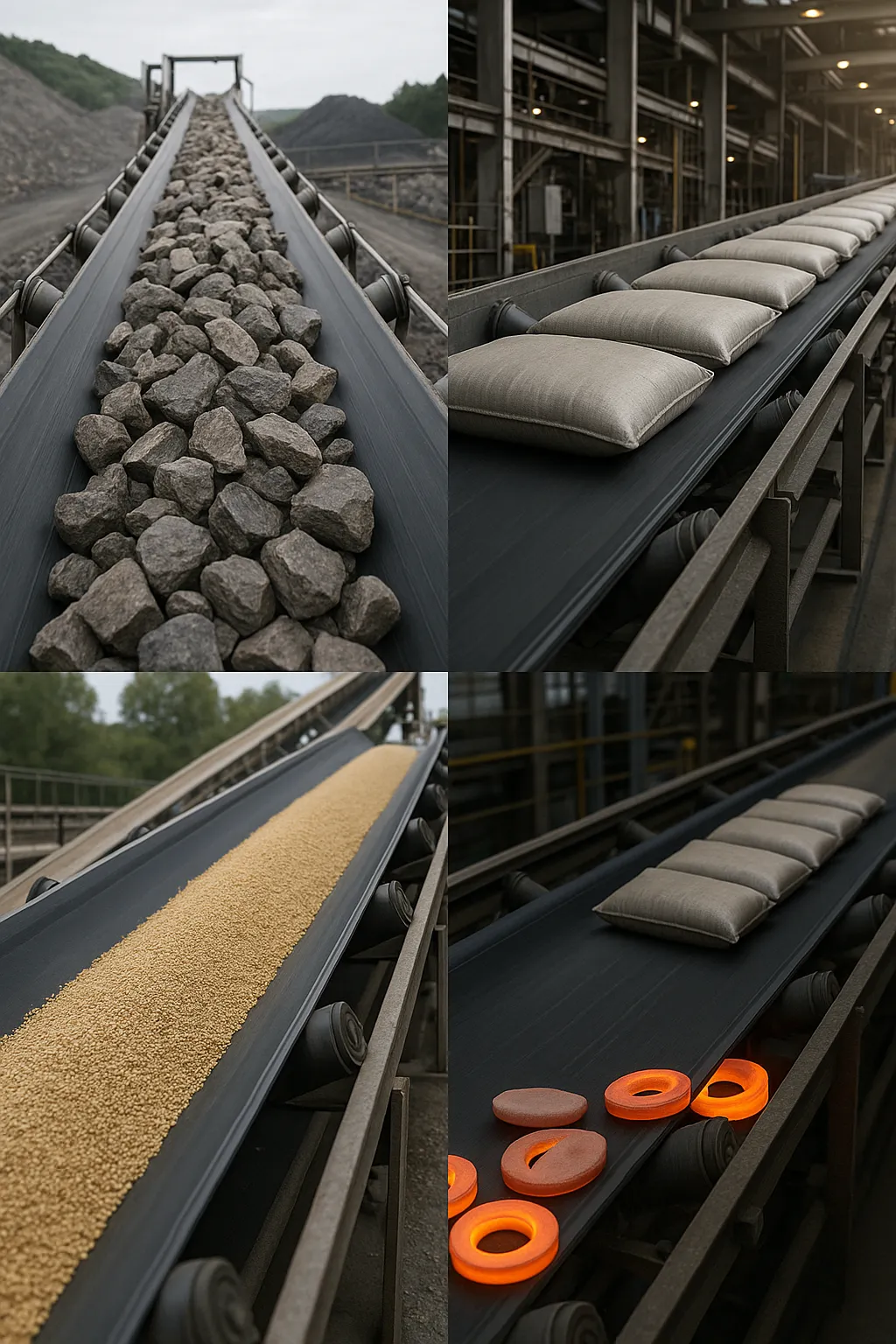
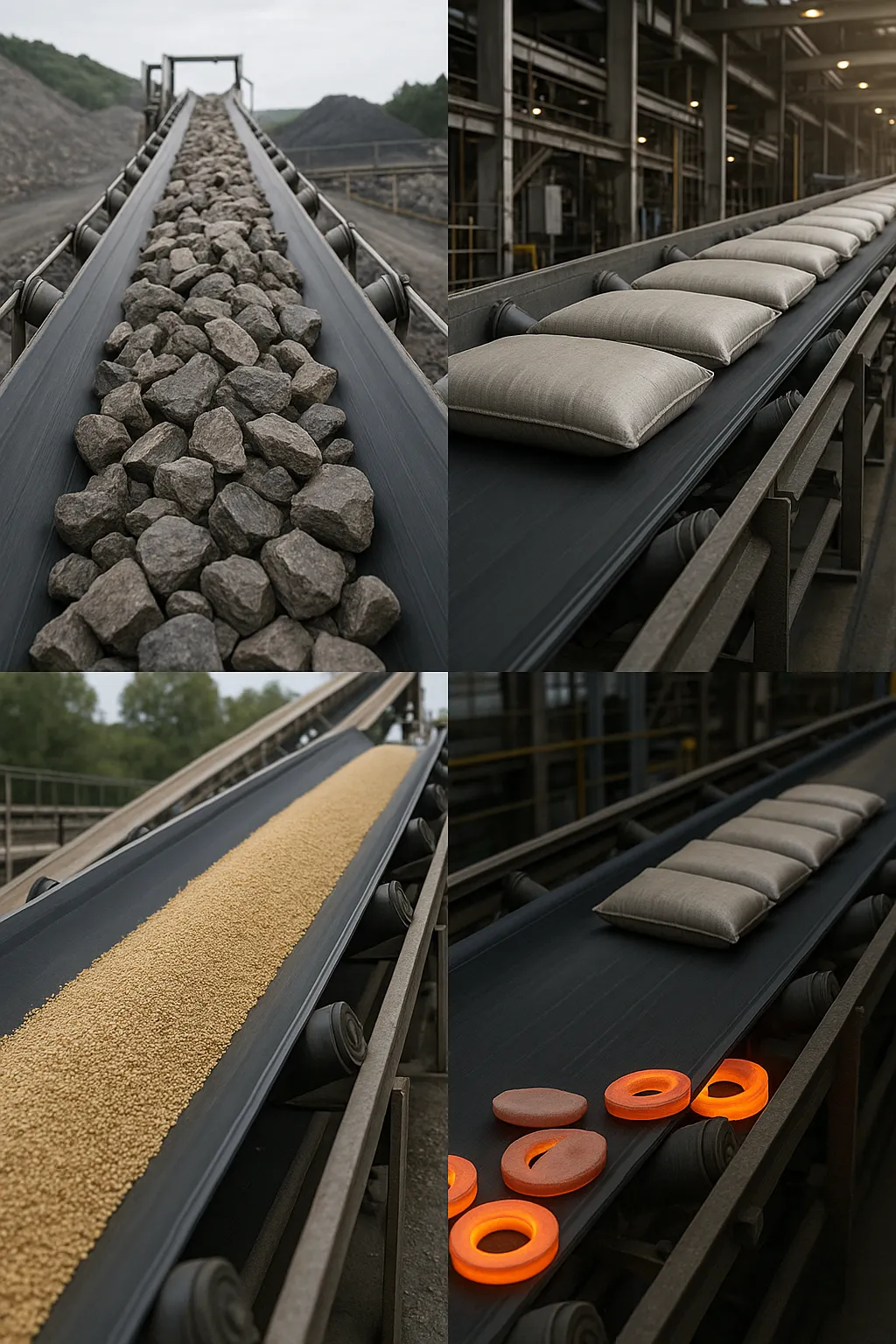
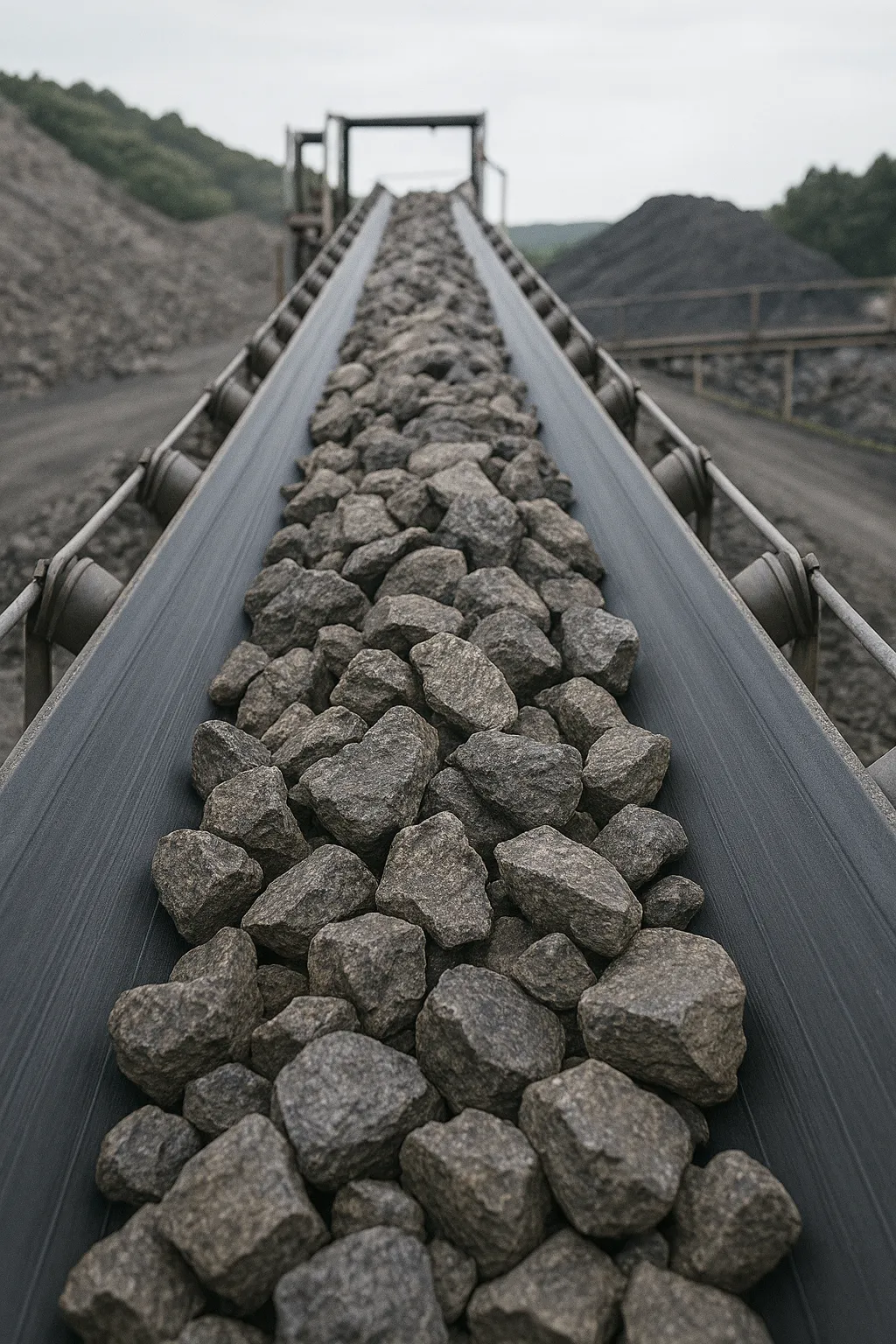
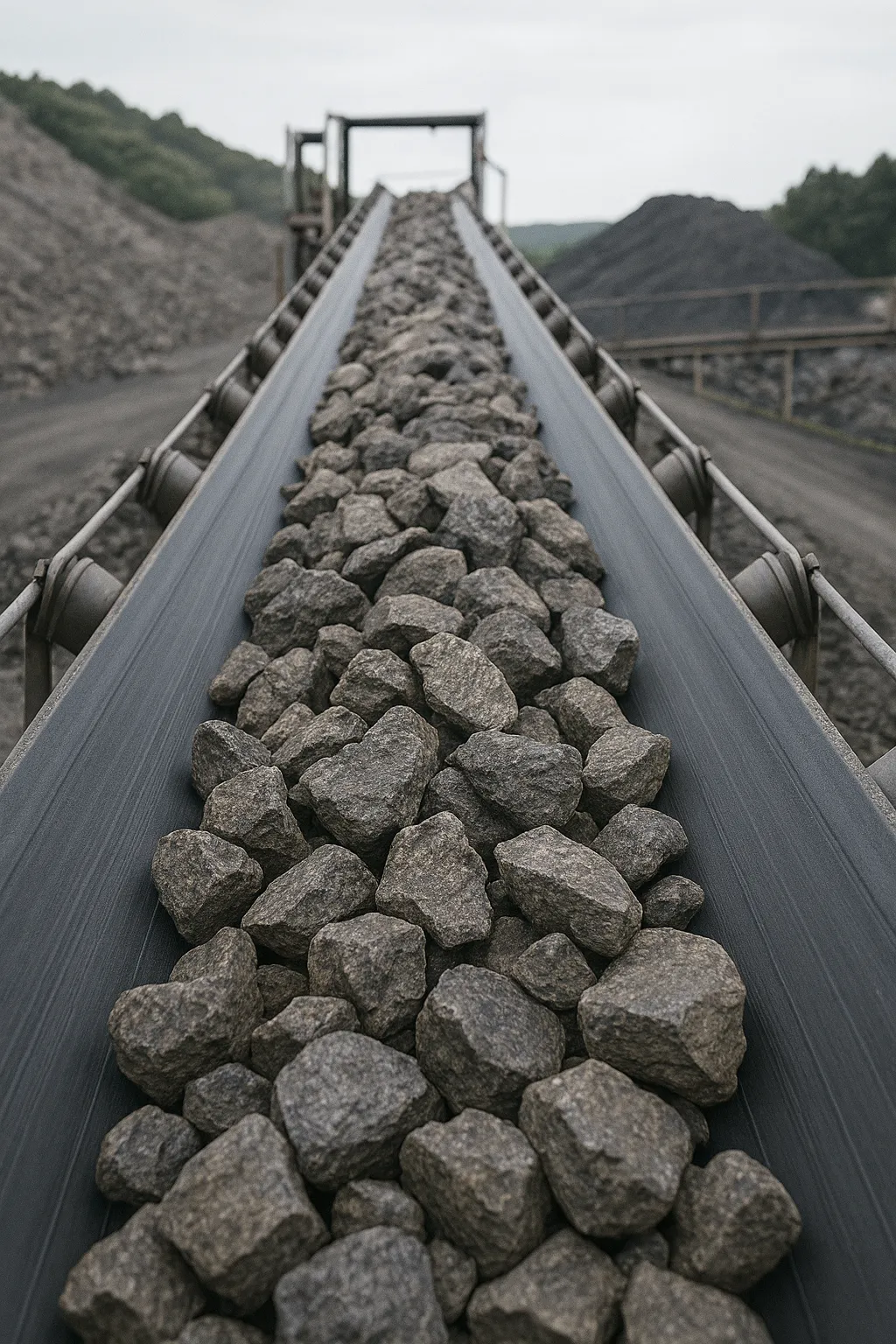
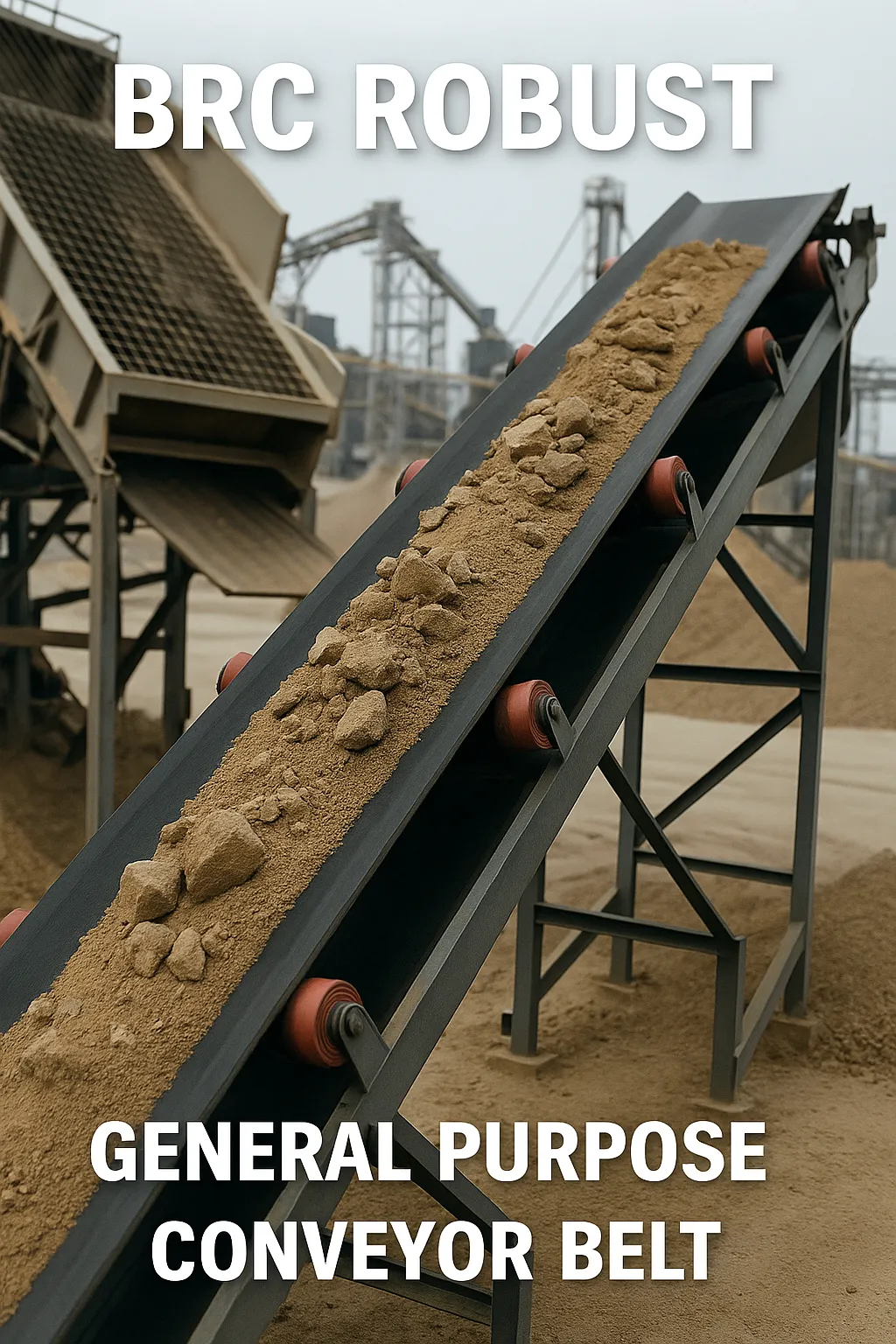
A cement plant uses belts at many stages: limestone and raw material from the quarry and crusher, additives and gypsum, coal for the kiln, hot clinker from the cooler, and bagged or bulk cement to dispatch. Each stage needs a different belt: abrasion-resistant belts for raw material, fire resistant belts for coal, heat-resistant belts for clinker and general-purpose belts for packing and dispatch.
Choosing a Heat Resistance Class
Choose the heat-resistant grade from three things: the maximum temperature of the material on the belt, whether that temperature is continuous or occasional peaks, and how much abrasion the belt faces. Lumps of hot material are harder on a belt than fine powder at the same temperature, because they keep heat for longer at the contact point. Tell us the material, its temperature, the belt width and length, and how the belt is loaded, and we will recommend the right class.
See the full industrial conveyor belt range and our mining conveyor belts for quarry and crusher feeds.
Request a quote — send the material, its temperature, belt width and length to sales@diode.sa or WhatsApp +966 56 838 3649. Every order ships with a Material Test Certificate (MTC).
Cement Plant Conveyor Belt FAQs
What temperature can your heat resistant belts handle?
Our heat-resistant belts are designed for continuous operation with material up to 220°C.
Why do clinker belts crack?
Heat hardens ordinary rubber covers, which then crack and separate from the carcass. A heat-resistant compound slows this down.
Which belt should I use for coal in a cement plant?
Coal handling usually needs a fire-resistant belt to limit the spread of fire.
Can you supply belts for the whole plant?
Yes. We supply raw material, coal, clinker and dispatch belts.
Conveyor Belts for Cement Plants and Clinker Handling Product Gallery
BRANDS WE TRUST


