

 12 March, 2026 |
  Admin
Admin
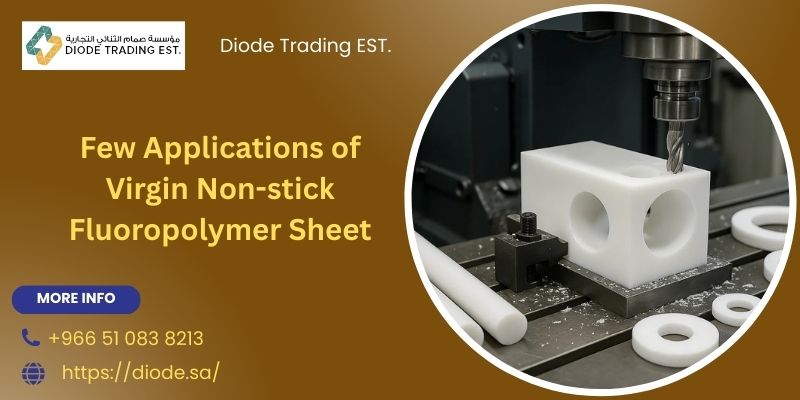
Few Applications of Virgin Non
There are lots of applications associated wit
Read more
 15 January, 2026 | Admin
Leak prevention in hazardous chemical processes is one of the most important tasks, as it has a great impact on the safety of workers, the environment, and the productivity of the process. Even the slightest leak can result in dramatic conditions, such as harming the health of people, damaging equipment, incurring administrative punishment, and loss of time, which ultimately translates to loss of money. Since chemicals are harmful, inflammable, and corrosive in nature, effective leak prevention becomes the highest priority in the industry. It is highly necessary to act on the prevention of the leak before the actual leak takes place. With the aid of PTFE parts for the chemical and petrochemical industry, you can safely operate in this industry.
To ensure leakages do not occur, there is a great need to focus on system designs, maintenance, operating procedures, and staff. By adopting proper safety procedures, they can identify potential leaks early, thus reducing the potential for accidental leaks to occur. Adopting a proactive approach helps them meet safety requirements, thus establishing a safe working environment.
Leaks of dangerous chemicals can and must be prevented in order to protect workers and the environment. Small leaks can pose health hazards and result in costly shutdowns. In order to prevent leaks, proper design, maintenance, qualified personnel, and safety procedures are imperative.
Leakages can be averted from the design stage. It is crucial to make sure the pipes and storage containers used are made from materials resistant to the chemical composition they will come into contact with. Use of tough materials such as resistant metals and plastics will go a long way in reducing the chances of wear and tear. By emphasizing the use of tough materials, I can guarantee success in the sort of work you will be doing. For a guaranteed working environment, PTFE for Oil and Gas in Saudi Arabia will assist.
Often leaks take place because joints are weak or where seals are not as effective. Applying quality gaskets, O-rings, or valves designed for hazardous chemicals prevents leaks. Ensuring joints remain free by applying specific torque to maintain their integrity is equally important.
High pressure can cause strain, while changes in temperature can cause stress. However, automatic control systems and pressure relief devices are used to ensure safe operating conditions. These devices are essential in preventing overload, which can make the machinery leak.
Proper procedures for startup, operation, and shutdown of equipment are also of paramount importance. It will help us avoid any abrupt change in pressure or equipment operation that may end up damaging equipment. Following proper procedures will help us avoid any leakage.
Adhering to the local and international safety guidelines is the key to ensuring the best practices. Auditing or checking the documentation and ensuring desired compliance helps to fill the gaps in a strong safety culture.
To stop leaks from occurring in hazardous chemical processes, a proactive approach at an overall system level is recommended for organizations. This entails proper design, maintenance, monitoring, and employee training. This helps organizations minimize danger, as well as maintain a safe and efficient system for processes. The action of leak prevention does not end at completion, as it is a continuous process of taking a proactive approach at an overall system level.
Lorem Ipsum is simply dummy text of the printing and typesetting industr
 12 March, 2026 | Admin
There are lots of applications associated wit
Read more 11 March, 2026 | Admin
Food and beverage facilities primarily handle
Read more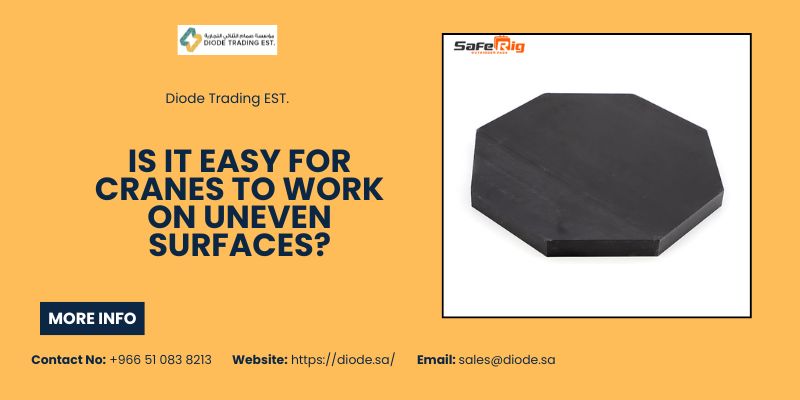 10 March, 2026 | Admin
When working on construction sites, it is ess
Read more