
Enquire Now
Enquire Now

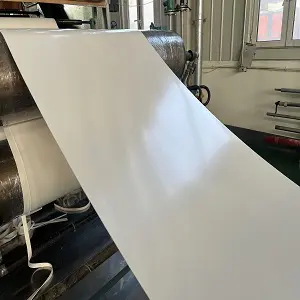
Products made of food-grade rubber undergo extensive testing to ensure they satisfy the requirements of a variety of sanitary applications. Rubber that has received FDA approval should be odorless, tasteless, and bacterially resistant. Along with being non-toxic and non-allergic, it should also offer dependable performance across a wide variety of operating temperatures.
Industries that need materials that are safe for food and medical usage frequently employ FDA rubber sheets. They are used in medical equipment (container and device lining), food processing equipment (gaskets, seals, conveyor belts), and domestic and commercial processes, including sterilizing and frying.
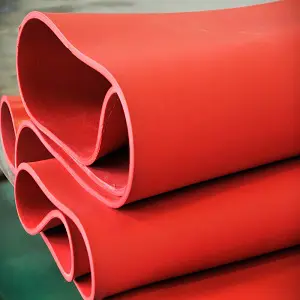
A rubber protection mat intended to offer insulation against electrical shocks is known as an electrical insulating rubber mat. These mats are commonly utilized on electrical panels, circuits, and power distribution systems, among other locations where electrical work is being done. They lessen the chance of electric shock by shielding employees from coming into close touch with electrified components.
Any industry where there is an electric shop and technician safety is at risk can utilize insulation rubber sheets. Various grades of electrical rubber insulation mats are distinguished based on voltage ratings.
The mat thickness, voltage grade, proof voltage, and breakdown voltage of the various classes vary. Power plants, high voltage panels, substations, HT and LT labs, and power transmission rooms are just a few of the places where electrical insulating mats are used.
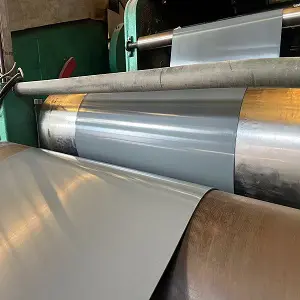
A type of rubber product aimed at preventing the build-up of static electricity on surfaces is an anti-static rubber mat. These rubber sheets are often used in environments where sensitive electronic components or equipment may be damaged by static electricity.
There are a number of benefits in using an anti-static mat, including improved product quality, reduced maintenance expense, improved safety, and safeguarding of electrical parts. Anti-static mats reduce the risk of electrostatic discharge, which in some environments may be harmful, and prevent the build-up of static electricity, which can damage or even destroy sensitive electronic components.
In addition, by shielding electronic components from damage during production, anti-static rubber sheets improve product quality and reduce waste. Finally, anti-static rubber sheets reduce maintenance and repair due to electrostatic discharge damage.
A composition of natural and synthetic rubber, the Skirt Board Rubber Sheet is intended to be used as a sealing skirt along conveyor belts in conveyor systems. Once adjusted, the physical characteristics of Natural Skirting Rubber produce a robust seal. The purpose of the Skirt Rubber Sheet is to minimize conveyor belt wear while minimizing material spillage and dust pollution.
Rubber skirt board sheets protect the conveyor belt from impact damage and increase its lifespan. Additionally, their ability to reduce noise makes the workplace safer and healthier.
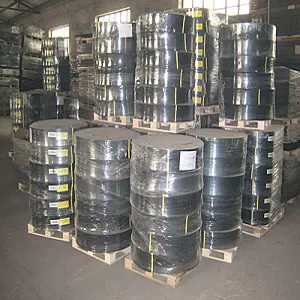
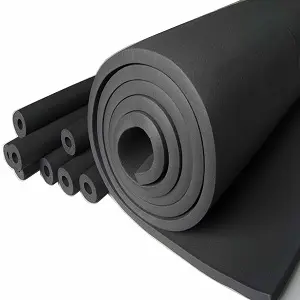
In addition to having the superior qualities of general rubber, such as high elasticity, durability, wear resistance, and corrosion resistance, a sponge rubber sheet is a new kind of rubber product material that is created by processing rubber into a sponged product. It also has the qualities of being lightweight, sound-insulating, heat-insulating, waterproof, and sound-absorbing.
The railway, electrical, food processing, and pharmaceutical industries all make use of it. This sheet is resistant to wear and tear, high temperatures, impacts, and pressure changes.
Styrene Butadiene Rubber (SBR) is renowned for its remarkable tensile strength and abrasion resistance, which contribute to its long lifespan. In terms of aging and temperature resistance, this polymer outperforms natural rubber. SBR is frequently used to coat rubber sheets because of its superior mechanical qualities.
In addition to offering superior insulation and shock absorption, SBR sheets are resistant to ozone, tearing, and inorganic chemical products. These sheets are perfect for the construction and automotive industries.
Many industries use vulcanized SBR products. Commonly used statically, unstretched, and at higher temperatures, this material is used to make gaskets and washers. SBR is also utilized in the manufacturing of vibration-isolation components, such as damping sleepers and bumpers.

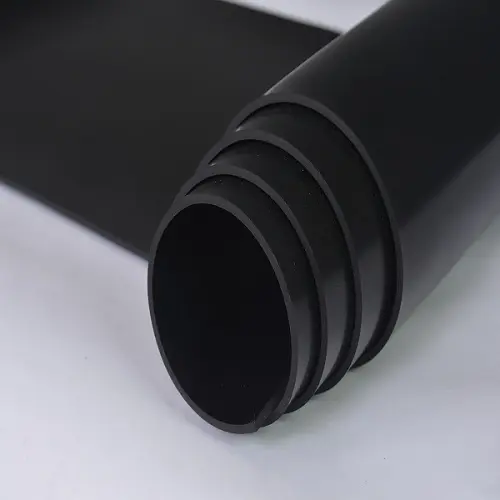
An artificial rubber copolymer of acrylonitrile (ACN) and butadiene, nitrile rubber is also known as NBR, Buna-N, and acrylonitrile butadiene rubber. This specific sort of synthetic rubber is unique in that it is typically resistant to fuel, oil, and other chemicals, even if its physical and chemical characteristics vary according to the composition of the nitrile polymer. Therefore, the more nitrile there is in the polymer, the more resistant the material is to oils, but the less flexible it is.
Because it is resistant to the majority of petroleum-based fluids, oils, and greases, the NBR (Nitrile) Rubber Sheet is a synthetic material that finds usage in a variety of applications. Although nitrile has good resistance to aromatic hydrocarbons and moderate mechanical qualities, it is not appropriate for usage with ketones.
EPDM rubber sheets are very resistant to weathering, ozone, and aging. Additionally, EPDM rubber sheets are resistant to diluted, alkaline, and ketones. Synthetic rubber, or ethylene propylene diene monomer (EPDM), is widely utilized in numerous sectors.
It is a highly adaptable and long-lasting kind of rubber with a variety of uses, composed of the monomers ethylene, propylene, and diene. Certain synthetic rubbers, such as EPDM, are made to endure harsher circumstances and have a longer lifespan than natural rubber, which may eventually disintegrate and become brittle when exposed to sunshine and ozone.
Typical applications for EPDM rubber sheets include weather strips, sleeves, gaskets, and pipe seals.
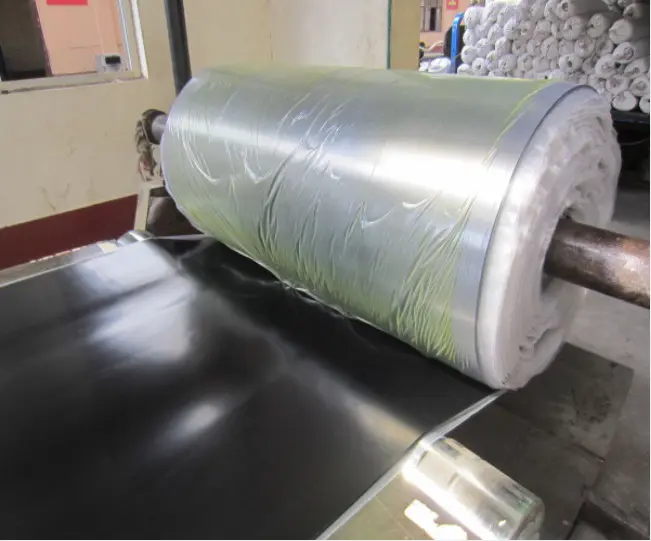
Neoprene rubber is a synthetic elastomer with exceptional qualities, such as outstanding durability, resistance to weather and aging, high chemical resistance, and a wide range of sealing applications. Neoprene rubber, which is made of polymerized chloroprene, is a highly sought-after substance for a variety of professional industrial uses.
It helps in giving a moderate amount of resistance towards animal and vegetable oils and also towards the inorganic salts. Unfortunately, it is not good to use with aromatic hydrocarbons or even ketones.
Diode Trading EST supplies industrial rubber sheet in food grade, insulating, anti-static, abrasion-resistant and oil-resistant grades. Choose by service condition, then request a quote with thickness and width. Every order ships with a Material Test Certificate (MTC).
Food grade (FDA) rubber sheet is used for seals, chute linings, conveyor skirting and work surfaces where rubber touches food, beverages or pharmaceutical products. It is non-toxic, odourless and easy to clean.
Insulation rubber sheets and mats are laid in front of switchgear, control panels and substations to protect people working on live equipment. Choose the class and thickness to suit the working voltage.
Anti-static rubber sheet safely dissipates static charge in electronics assembly, laboratories, control rooms and areas with flammable vapours.
Skirtboard rubber seals the edges of conveyor belts at loading points to stop spillage and dust. Abrasion-resistant SBR and natural rubber sheets are also used to line chutes, hoppers and truck beds.
For gaskets and seals, choose NBR (nitrile) rubber sheet for oils and fuels, EPDM for water, steam and weather, neoprene rubber sheet for general purpose and moderate oil resistance, and silicone rubber sheet for high and low temperatures. See also the rubber sheet supplier page.
Which rubber sheet is best for oil?
NBR (nitrile) rubber sheet has the best resistance to oils and fuels among common rubbers.
Which rubber sheet should I use outdoors?
EPDM resists sunlight, ozone and weathering, so it is the usual choice for outdoor seals.
Do you cut rubber sheet to size?
Yes. We supply full rolls or sheets and can cut gaskets and strips to your sizes.
How do I order?
Send the grade, thickness, width and quantity to sales@diode.sa or WhatsApp +966 56 838 3649.